
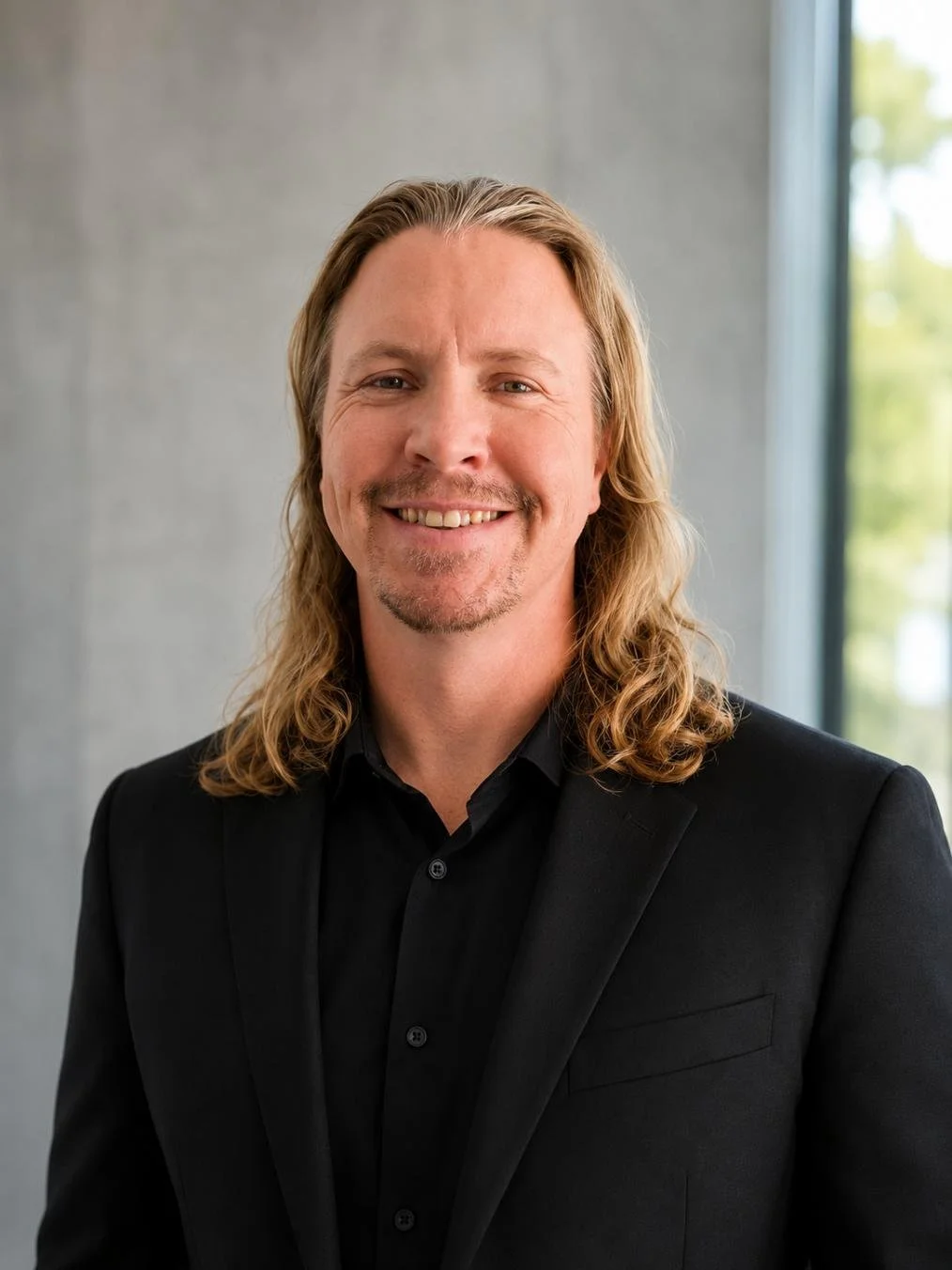
Daniel “Doc” Jacobs is a former U.S. Navy Hospital Corpsman, Bronze Star Medal with Valor and Purple Heart recipient, and forensic investigator whose career has been dedicated to service, both on and off the battlefield. After serving with 3rd Battalion/7th Marine Regiment during combat operations in Ramadi, Iraq; he continued his mission of service through leadership, advocacy, humanitarian work, and efforts supporting veterans, military families, wounded service members, and the families of America’s missing. His experiences in combat and caring for Marines in war deeply shaped his lifelong commitment to honoring those who never returned home.
That commitment is also rooted in a deeply personal family legacy of military service spanning generations and conflicts. Doc's great-grandfather was an original member of Darby’s Rangers, serving with the 1st Ranger Battalion during World War II. His service began with the Rangers’ campaigns in North Africa and continued through the war, during which he was wounded in combat. Two of his uncles later served during the Vietnam era, one in the U.S. Navy and another with the U.S. Army’s 82nd Airborne Division. His father served in the U.S. Navy from 1977-2000, spanning more than two decades of American military operations and conflicts, while another uncle served for eight years as a Navy Hospital Corpsman during the period between the Vietnam War and Gulf War.
Growing up within a family shaped by generations of military service gave Doc an early understanding that the consequences of war extend far beyond the battlefield. The names attached to unresolved losses are not simply case numbers or historical records. They are sons and daughters, fathers and mothers, brothers and sisters, uncles, grandparents, friends, and fellow service members whose absence can be carried by families for generations. That family history, combined with his own experiences in combat, has made the POW/MIA accounting mission profoundly personal.
For more than a decade, Doc has worked in forensic battlefield recoveries, participating in over two dozen missions to help locate and recover missing U.S. service members from World War II. Drawing upon his background in medicine, military leadership, and forensic science (including a Master’s degree in Forensic Science specializing in Investigations) he has served in key roles; Team Leader (supporting recovery teams), Medic (medical operations), assistant to the Lead Archaeologists (field investigations), and research into unresolved POW/MIA cases.
With all that Doc has been through with his personal encounters with losses during war, he understands the deep importance of bringing all missing and fallen home, and, how important it is for those loved ones - even those still waiting after decades. This goes beyond just an unsolved case, this goes beyond a forensic archaeological dig or discovery, this is beyond all of us.
Today, Doc serves as President and Co-Founder of SuperFrens Archaeology, where he works to support and partner with organizations involved in the Defense POW/MIA Accounting Agency (DPAA) mission. Through archaeological and forensic recovery operations, research, outreach, advocacy, and the inclusion of veterans and other qualified professionals in the recovery mission, he remains committed to helping bring America’s missing service members home.
Forensic battlefield recovery is more than scientific work or a profession. It's a sacred duty and a simple promise to those who served before him, beside him, and after him.
They will not be forgotten.
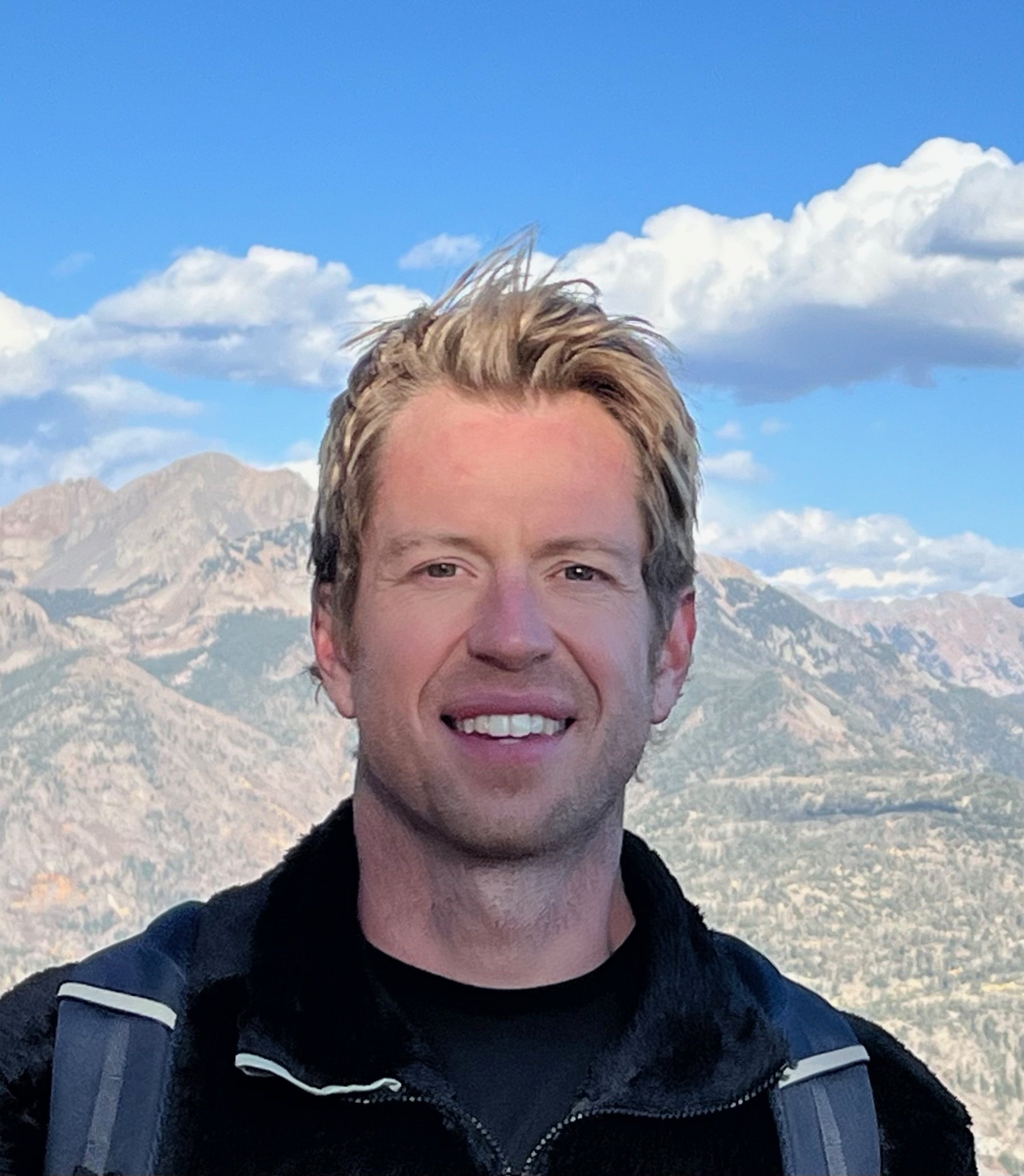
Charles Machula, Treasurer, Vice President, and Co-Founder of SF Archaeology, brings his extensive leadership and organizational management experience to the team. A B.S. graduate in Forestry from Northern Arizona University with focus areas in ecological restoration and international forestry, he contributed to research at the Ecological Restoration Institute and the USDA Forest Service. His diverse professional experience has built a strong foundation in navigating rugged terrain, conducting search operations, and coordinating teams in remote and hazardous environments—skills that directly support the demanding fieldwork of MIA recovery missions.
Charles has a distinguished military career as a Special Warfare Combatant Craft Crewman (SWCC) and Special Operations Combat Medic (SOCM) in the United States Navy. Charles held leadership positions, including Program Manager and lead medic, at Special Boat Team 22. Transitioning to civilian life, he works as a fireline paramedic, drawing on his background in austere medicine.
In his current leadership roles with the SF, Charles draws on his proven administrative expertise—from managing special operations programs to serving as Health and Safety Supervisor for Netflix productions—to oversee financial stewardship, strategic planning, and mission logistics. His decades of global community service, including infrastructure projects in Haiti, teaching English in Ukraine and Mongolia, and many other missions, reflect a lifelong commitment to humanitarian efforts. Charles serves the organization out of a commitment to never forget the sacrifices made by those who have served before us and to make sure they come home.
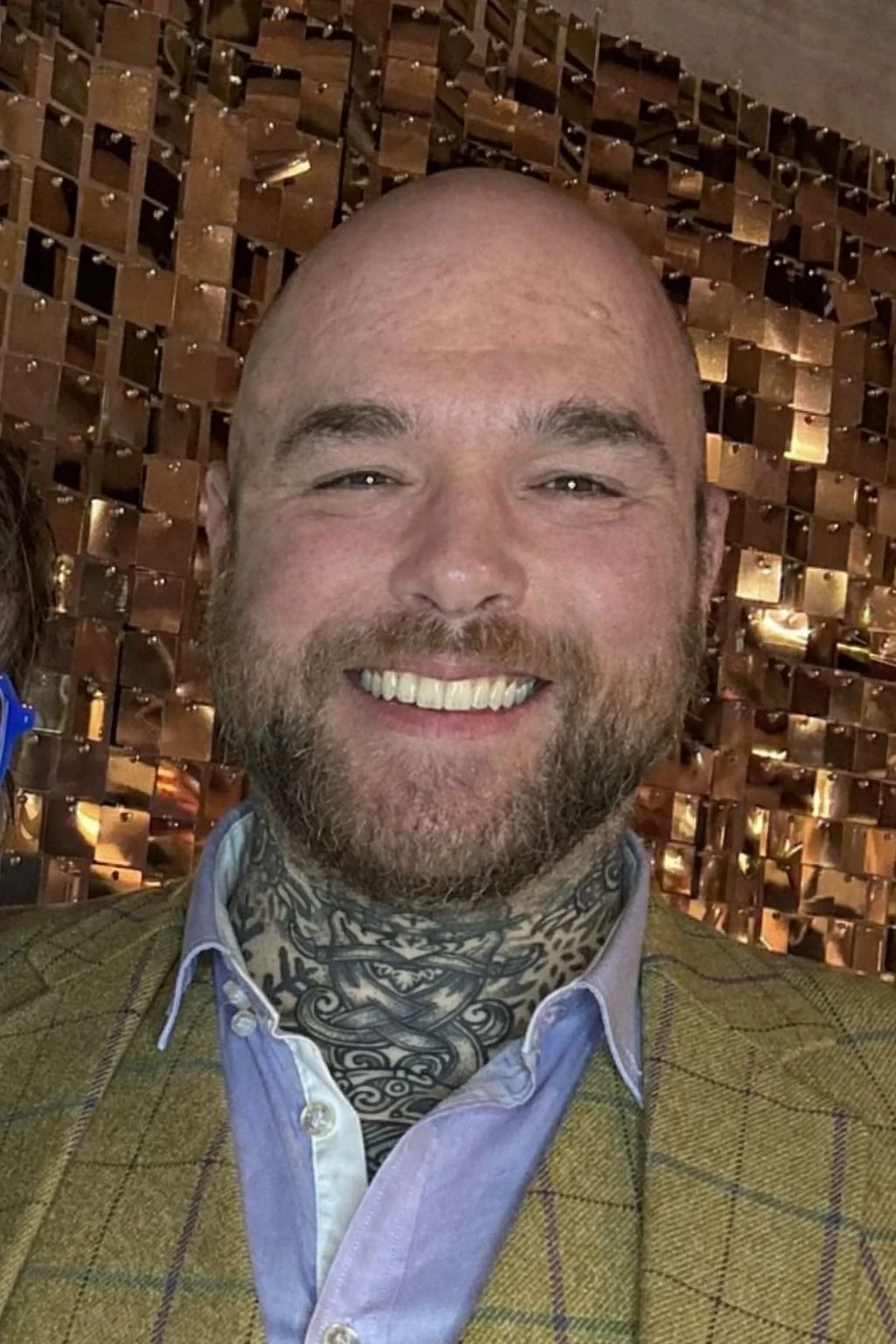
Dr. Greggory Griffin - Secretary and Co-Founder, is a professional archaeologist with more than a decade of experience in archaeological research, excavation, and forensic recovery. He holds a PhD in Archaeological Science from the University of Bradford and works as a consultant with AtkinsRéalis, where he contributes to major infrastructure projects, developing mitigation strategies. managing fieldwork, and producing desk based assessments. He also serves as Chair of the Advisory Council for the Chartered Institute for Archaeologists.
Gregg has specialized experience in the archaeological recovery of Second World War service members lost both in aircraft crashes and on battlefields. He has also completed Scientific Recovery Expert training with the Defense POW/MIA Accounting Agency.
As a founding member and Secretary of Super Frens Archaeology, Gregg provides administrative and technical oversight, helping guide the nonprofit’s mission to locate and recover America’s unaccounted-for service members.
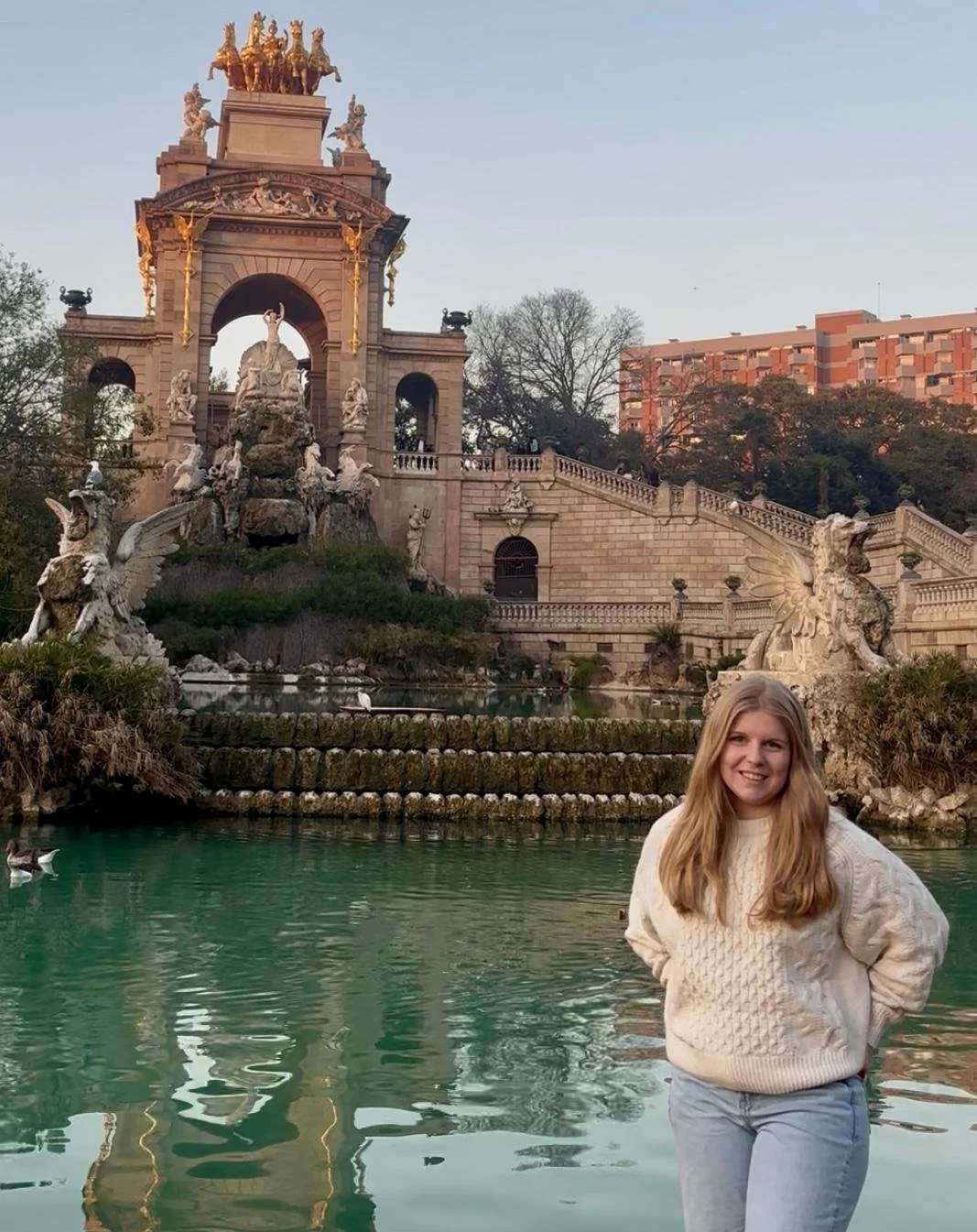
Kendall Thor, Board Member and Co-Founder, is currently a graduate student studying human biology with an interest in forensic anthropology. Her prior education includes a BA in criminal justice and a BS in human biology. In addition to academics, Kendall’s experience is further complemented by hands-on work in both laboratory and field settings, including a recovery mission in the summer of 2024.
Kendall is passionate about applying her knowledge to this field as she comes from a family with veterans and active duty service members. Aiming to assist in identifying and honoring those who have served is of great importance to Kendall, and the SuperFrens mission is dedicated and committed to these efforts.
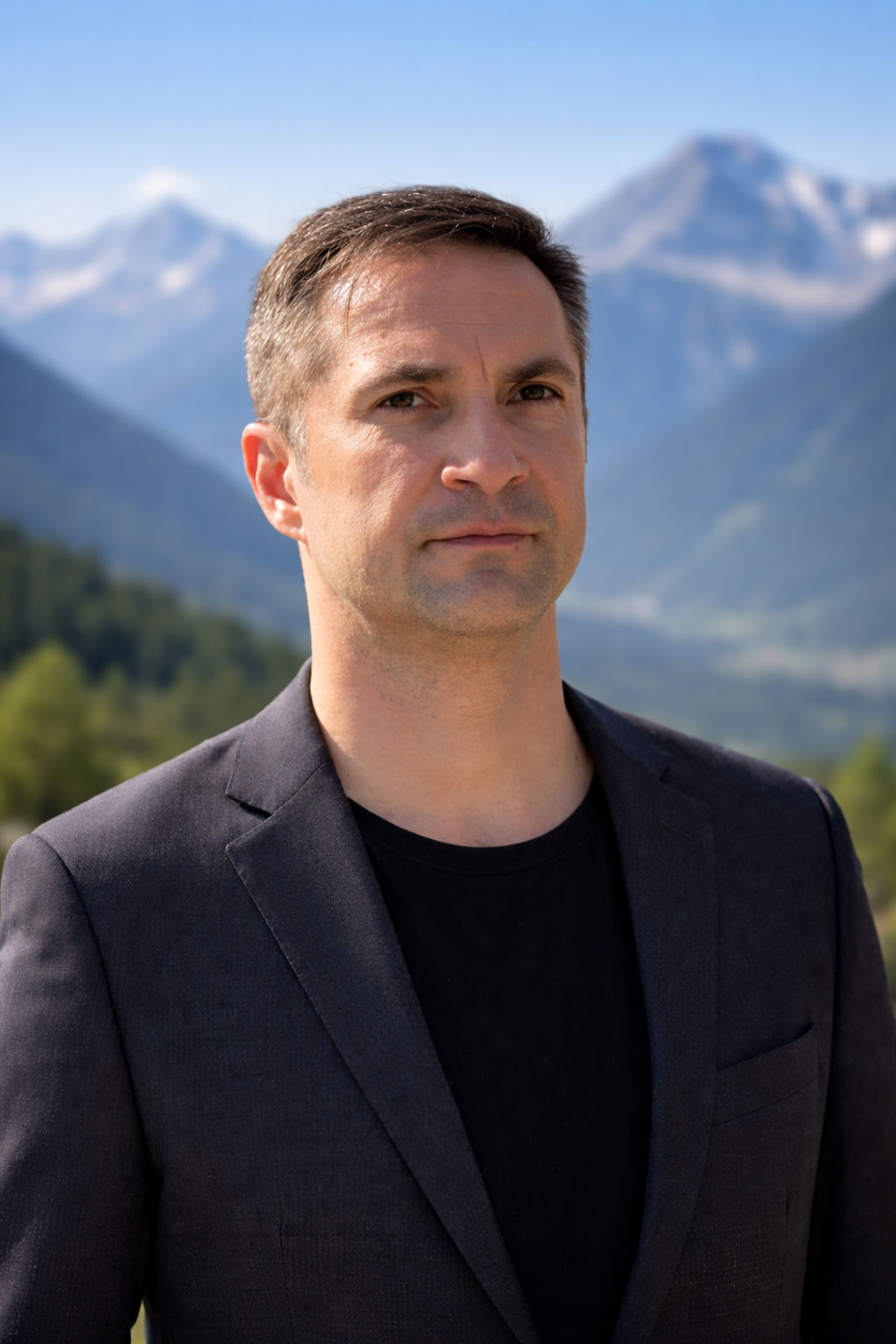
Arany Levente - Site Manager, Recovery Operations & Mortuary Affairs Specialist, is a recovery operations professional with over ten years of emergency medical service experience, including frontline ambulance operations and current service at a Military Hospital as an Autopsy Technician and Embalmer. He has participated in aircraft disaster recovery missions across Africa and Europe, supporting the respectful recovery and documentation of human remains. His background coupled with over a decade of experience in emergency response, disaster recovery, and mortuary affairs supports DPAA missions dedicated to the recovery and repatriation of fallen service members.