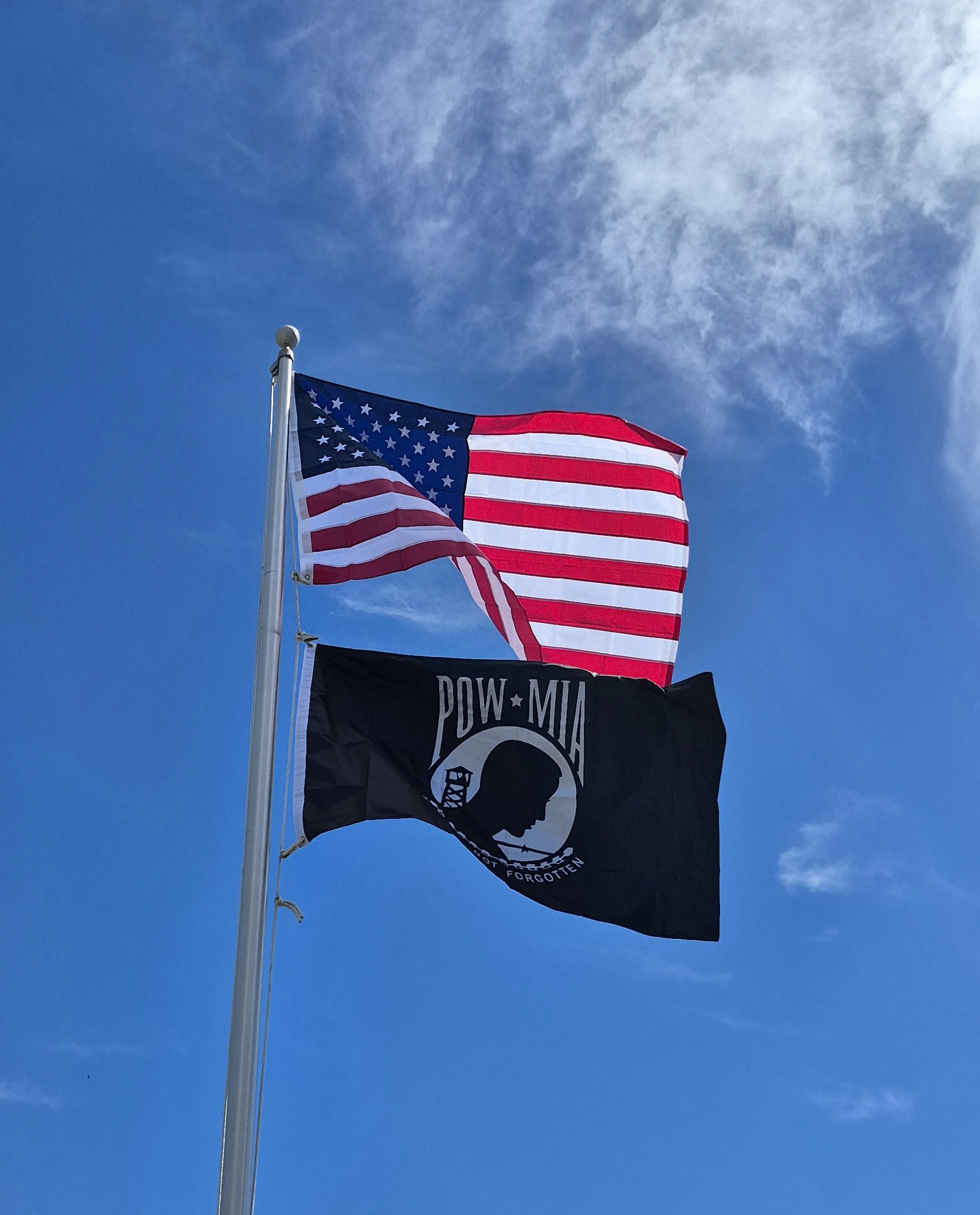
The mission of the Defense POW/MIA Accounting Agency (DPAA) is to provide the fullest possible accounting for U.S. service members who remain missing from past conflicts. Despite decades of recovery efforts, nearly 81,000 American personnel remain unaccounted for from wars spanning World War II, the Korean War, the Vietnam War, the Cold War, and more recent conflicts (Defense POW/MIA Accounting Agency, 2024). Each of these cases represents not only a historical loss but also a family that has lived for decades without answers. Archaeological recovery operations are therefore a critical component of fulfilling the nation’s commitment to account for every missing service member.
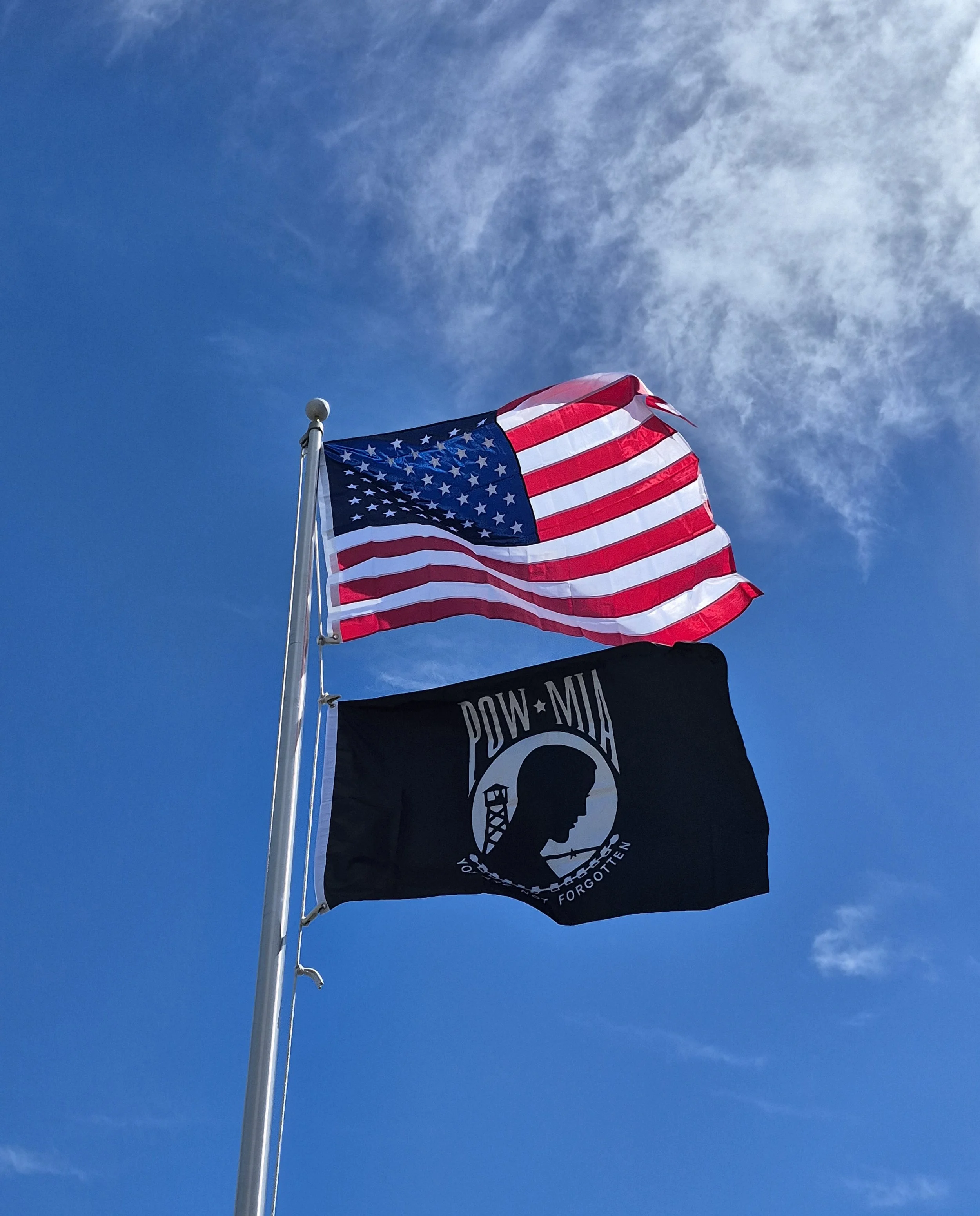
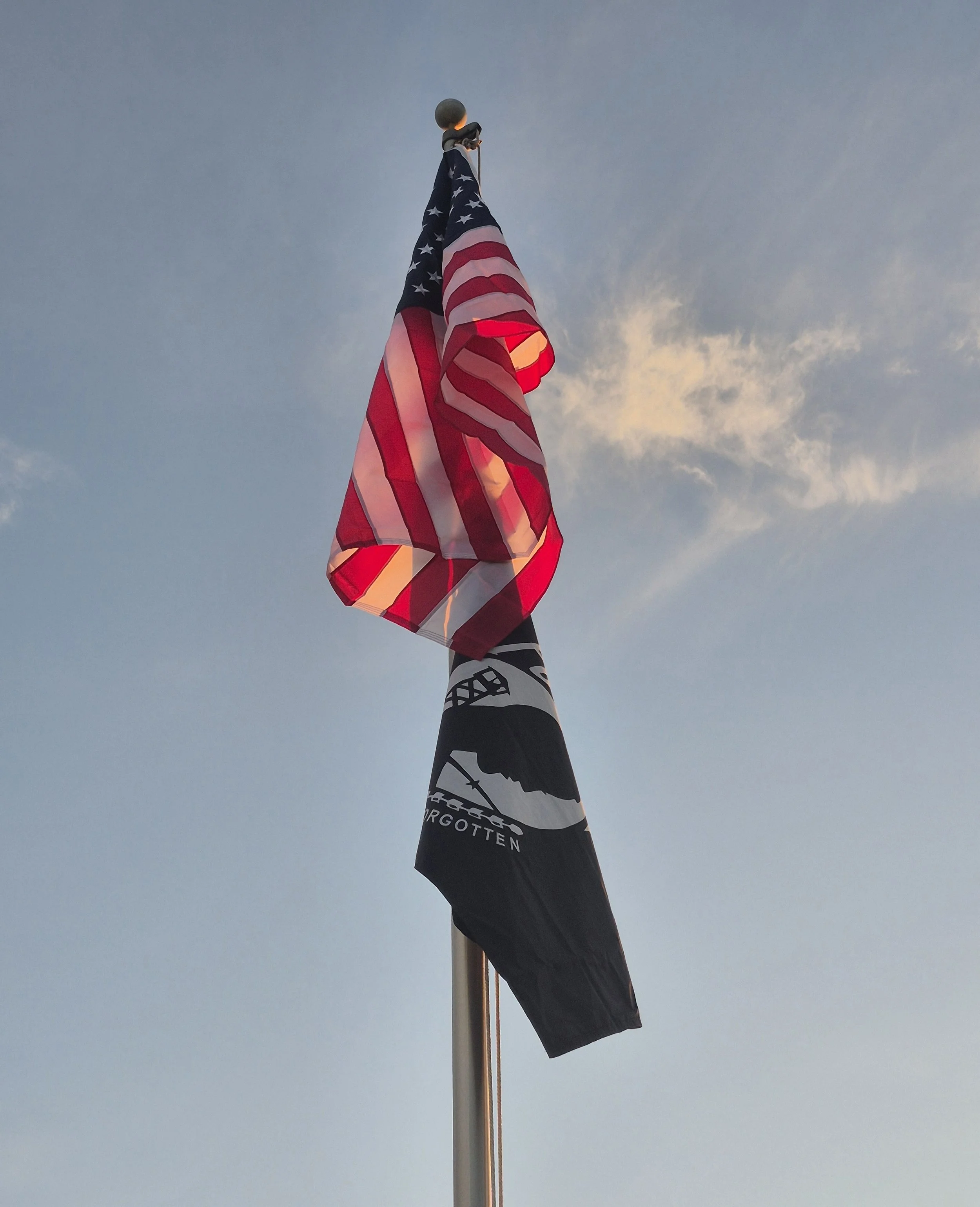
SuperFrens Archeology contributes directly to this mission by applying archaeological expertise to the search for and recovery of potential loss sites. Many missing personnel cases involve aircraft crashes, battlefield burials, or ship losses that occurred in remote or difficult environments. Archaeological methods—such as systematic survey, controlled excavation, and artifact analysis—help identify evidence that might otherwise remain undetected. These techniques provide DPAA with the contextual information needed to locate remains, recover material evidence, and support the forensic identification process (Holland & Anderson, 2020).
The scale of the mission highlights the importance of partnerships between DPAA and outside research and recovery organizations. The majority of unaccounted-for personnel—more than 71,000 individuals—are from World War II alone, with thousands more missing from the Korean and Vietnam Wars (Defense POW/MIA Accounting Agency, 2024; Congressional Research Service, 2023). Because these losses occurred across vast geographic areas—including the Pacific, Southeast Asia, and Europe—collaborative field investigations significantly expand the capacity to locate and investigate potential recovery sites. Organizations like SuperFrens Archeology provide additional expertise and field capability that help accelerate progress toward resolving long-standing cases.
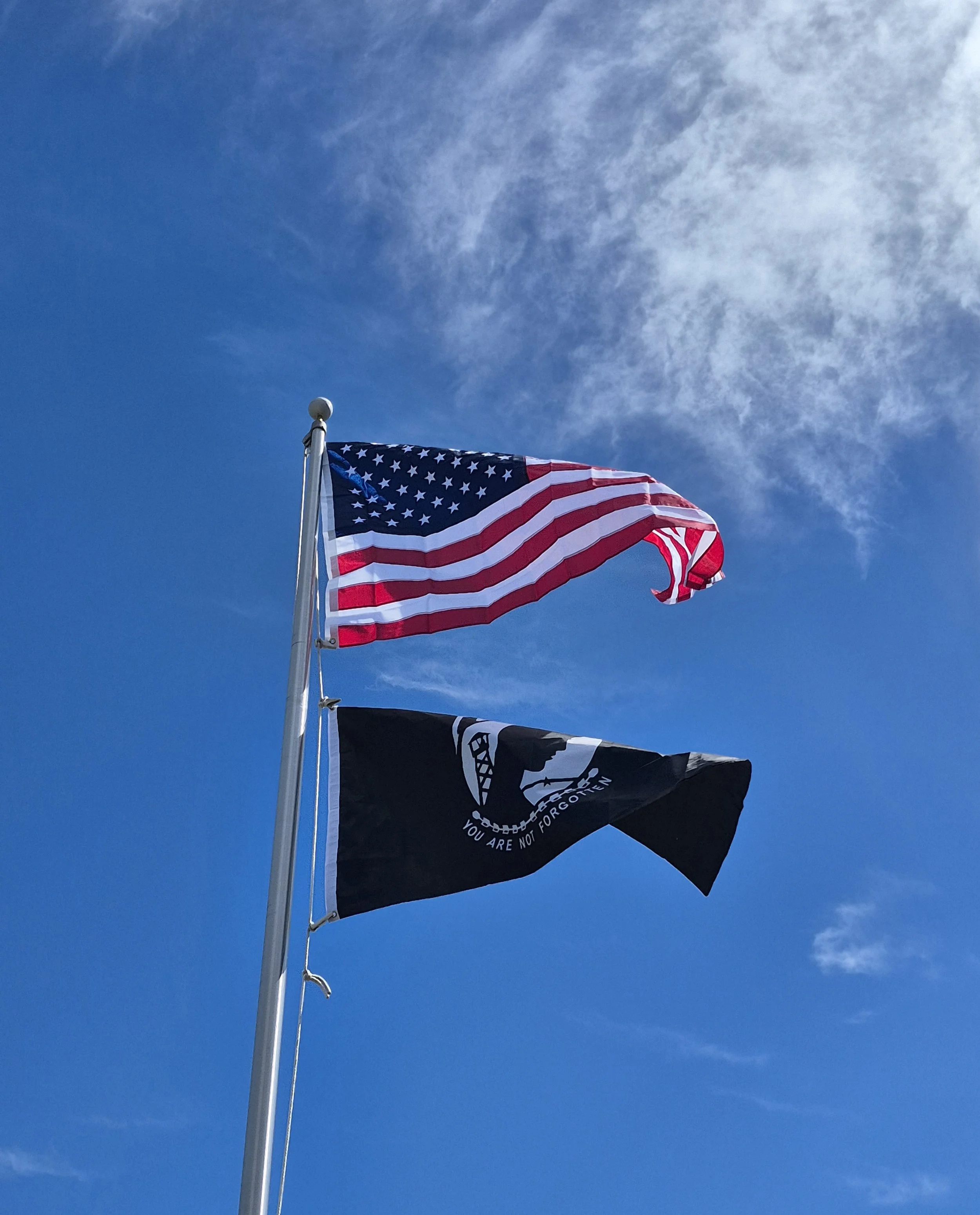
Beyond the scientific and investigative value, recovery work carries profound human significance. For families who have waited generations for answers, the identification and return of a missing service member represents closure and the opportunity to properly honor their sacrifice. Each successful recovery reinforces the United States’ enduring commitment to its service members and to the principle that those who served will not be forgotten (Congressional Research Service, 2023).
By supporting DPAA’s efforts through archaeological recovery, SuperFrens Archeology helps bridge the gap between historical records and physical evidence on the ground. Their work contributes to locating lost sites, preserving crucial evidence, and ultimately enabling the identification and repatriation of fallen service members. In doing so, they play an essential role in advancing one of the Department of Defense’s most meaningful humanitarian missions: bringing America’s missing heroes home.
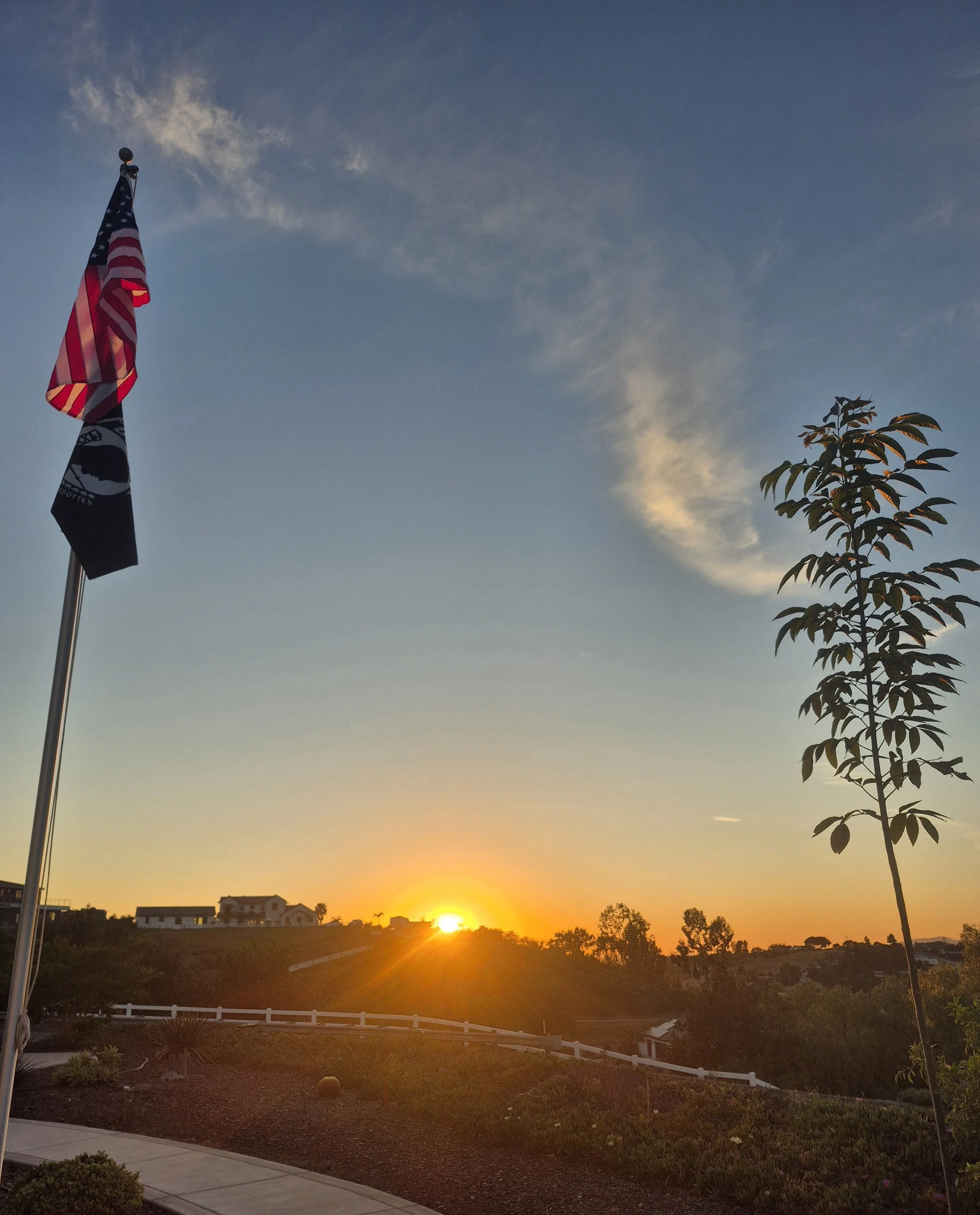
At present, less than 81,000 Americans remain missing from WWII, the Korean War, the Vietnam War, the Cold War, and the Gulf Wars/other conflicts. Out of the less than 81,000 missing, 75% of the losses are located in the Indo-Pacific, and over 41,000 of the missing are presumed lost at sea (i.e. ship losses, known aircraft water losses, etc.). (https://dpaa-mil.sites.crmforce.mil/dpaaOurMissing)